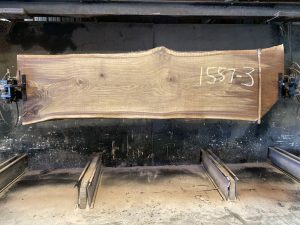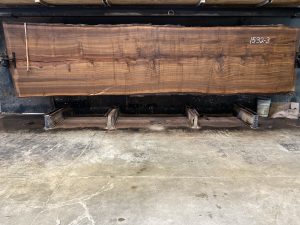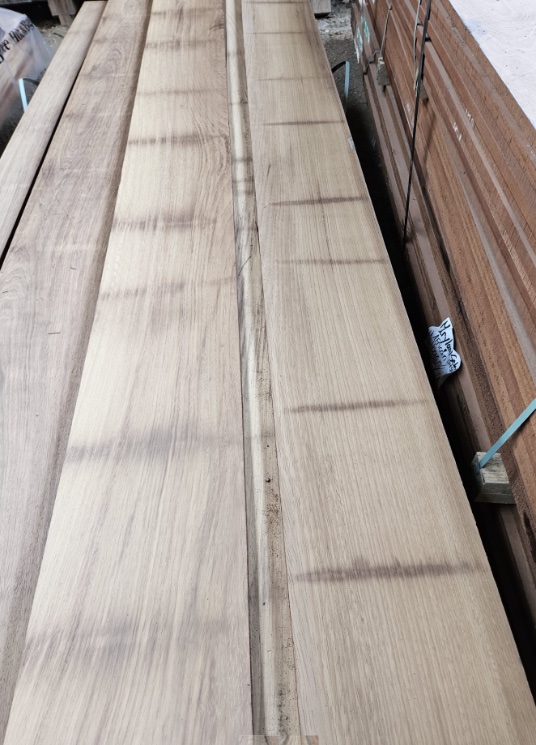

Part 1 of the History of Wood Slabs Series
Estimated reading time: 8–10 minutes
When you walk into a home today and see a stunning live edge walnut table or a massive white oak conference table, it’s easy to think slab furniture is a modern invention. Social media, custom furniture builders, and epoxy river tables have certainly brought wood slabs into the spotlight over the last two decades.
But the truth is, people have been using large pieces of wood for thousands of years.
Long before sawmills, electricity, and woodworking machinery existed, entire tree trunks and massive wood slabs served as benches, worktables, meeting places, and even symbols of power. While the craftsmanship has evolved dramatically, the basic idea has remained the same: preserve as much of the tree as possible and let its natural beauty shine.
This first installment in our History of Wood Slabs series looks at the earliest history of slabwoodworking—from prehistoric civilizations to the Middle Ages—and how these massive pieces of timber laid the foundation for today’s custom slab furniture.
Before Lumber Existed
Modern lumber is a relatively recent invention.
Today, a hardwood log is carefully sawn into boards of standardized widths and thicknesses. We expect to buy 4/4 walnut, 8/4 white oak, or S4S maple without giving much thought to where those boards came from.
Thousands of years ago, however, there was no such thing as dimensional lumber.
If someone needed a flat wooden surface, they had two options:
- Split a large log.
- Flatten the top of a log using hand tools.
The result was often one massive piece of wood that served as a table, bench, or work surface.
In many ways, these were the world’s first wood slabs.
Woodworking Begins
Archaeologists have found evidence that humans were shaping wood with stone tools hundreds of thousands of years ago. While wood rarely survives in the archaeological record, preserved discoveries show that early people understood how to split, carve, and shape logs for practical purposes.
By around 4000–3000 BC, woodworking had become increasingly sophisticated in regions such as Mesopotamia and Ancient Egypt. Copper and later bronze tools allowed craftsmen to produce smoother surfaces, stronger joints, and more refined furniture.
Although much of the surviving furniture from these civilizations was built from smaller components, large sections of trees were still commonly used for:
- Workbenches
- Food preparation
- Storage platforms
- Construction
- Community gathering spaces
Large trees represented an incredibly valuable resource.
Nothing was wasted.
Did You Know?
The oldest known wooden artifacts are more than 400,000 years old, demonstrating that humans were working with timber long before the invention of agriculture.
Ancient Egypt: Masters of Fine Woodworking
When most people think of Egyptian furniture, they picture ornate chairs covered in gold or beautifully carved chests found inside pyramids.
Those pieces certainly existed—but Egypt also helped pioneer many woodworking techniques still used today.
Egyptian craftsmen developed:
- Mortise-and-tenon joinery
- Veneering
- Dowels
- Peg construction
- Decorative inlays
- Hand planing
Because Egypt had relatively few large native trees, valuable hardwoods were often imported from places like Lebanon and central Africa. Every board was precious.
Large one-piece slabs were less common in finished furniture than they would later become, but thick sections of timber were widely used in workshops and construction.
The respect Egyptians had for beautiful wood helped establish woodworking as both a skilled trade and an art form.
Greece and Rome: Function Meets Craftsmanship
As Greek and Roman civilizations expanded, woodworking became increasingly advanced.
Skilled craftsmen built everything from ships and homes to temples and furniture.
Large timbers were often reserved for:
- Bridges
- Roof structures
- Public buildings
- Ships
- Worktables
Roman workshops frequently used substantial wood surfaces for carpentry, metalworking, and trade.
While decorative household furniture generally relied on carefully joined boards, large one-piece timbers remained the preferred choice whenever durability mattered more than portability.
Even today, many antique woodworking benches still follow this same principle: one thick, heavy slabprovides exceptional stability.
The Forests of Europe
For much of European history, forests seemed endless.
Ancient woodlands stretched across much of the continent, containing enormous oak, elm, beech, ash, and chestnut trees that had grown undisturbed for centuries.
These giant trees supplied timber for:
- Castles
- Churches
- Ships
- Bridges
- Homes
- Furniture
Yet despite the abundance of large trees, slab furniture remained relatively uncommon.
Why?
Because every massive log represented countless opportunities.
A single oak could become:
- Hundreds of boards
- Structural beams
- Wagon parts
- Doors
- Flooring
- Cabinets
Wood was simply too valuable to dedicate an entire tree to one dining table.
Medieval Europe: Utility Over Luxury
During the Middle Ages, practicality came first.
Most furniture was built to be sturdy, repairable, and long-lasting.
Large slabs often appeared in:
- Monasteries
- Taverns
- Blacksmith shops
- Carpenter workshops
- Market halls
Rather than showcasing dramatic grain patterns, these pieces were valued because they could withstand decades of heavy use.
Natural edges were usually trimmed away.
Cracks were repaired with iron hardware.
Beauty came second to durability.
Ironically, many of these centuries-old worktables resemble today’s live edge furniture more than the finely crafted dining tables of their own era.
Why Ancient Slabs Looked Different
If you compare an ancient slab table to a modern live edge dining table, you’ll notice some major differences.
Today’s slabs are:
- Kiln dried
- Precision flattened
- Moisture tested
- Professionally finished
- Carefully stabilized
Ancient slabs were much simpler.
Most were:
- Air dried naturally
- Flattened with hand tools
- Left unfinished or treated with natural oils
- Built for utility rather than appearance
Yet despite these differences, the underlying philosophy was surprisingly similar.
Use as much of the tree as possible.
Respect the material.
Build something that lasts.
A Foundation for the Future
By the end of the Middle Ages, woodworking techniques had become remarkably sophisticated. Skilled craftsmen understood joinery, toolmaking, and timber selection.
What they lacked wasn’t creativity—it was technology.
Without efficient sawmills, producing large, consistent boards required immense labor. As a result, wood was used carefully, and giant trees were often reserved for buildings, ships, and infrastructure instead of furniture.
That would begin to change over the next few centuries as advances in sawmill technology reshaped the woodworking industry.
In the next installment of this series, we’ll explore the great forests of Europe and North America, the age of old-growth timber, and why some of the largest trees in history were harvested to build nations rather than dining tables.
Frequently Asked Questions
Were wood slabs used in ancient times?
Yes. Long before modern sawmills, people used large sections of logs and flattened tree trunks as benches, worktables, and gathering surfaces. These early pieces weren’t called “live edge slabs,” but they served many of the same purposes.
Who invented slab furniture?
No single person invented slab furniture. People have used large pieces of wood for thousands of years. However, designers such as George Nakashima helped popularize modern live edge slab furniture during the 20th century by embracing the natural shape and character of each tree.
Why didn’t ancient civilizations make more slab tables?
Large trees were extremely valuable. A single log could be cut into many boards for homes, ships, tools, or furniture, making it more practical than dedicating the entire tree to one table.
Did ancient woodworkers keep the natural edge?
Generally, no. Most ancient furniture emphasized function over appearance, so bark and irregular edges were often trimmed away. The modern appreciation for preserving a tree’s natural edge became much more common in the 20th century.
Continue the Series
Next Article: Part 2: When Giant Trees Built Nations (1500–1850): The Golden Age of Old-Growth Timber
We’ll cover:
- The vast old-growth forests of Europe and North America
- How colonial expansion changed the timber industry
- Why giant trees were used for ships, barns, and bridges instead of furniture
- The rise of early sawmills and commercial lumber
- How the stage was set for the modern wood slab industry