

The way premium hardwood is sourced has evolved — not because tradition has lost value, but because expectations have risen.
Today’s high-end designers, architects, and discerning hardwood buyers are less concerned with rigid grade terminology and more focused on a single question:
Will this material meet the design intent exactly as envisioned?
In that context, digital transparency has become essential.
Design Confidence Has Replaced Grade Labels
For decades, hardwood sourcing revolved around grades like FAS or Select & Better, which are used for grading hardwood lumber and are not applicable to a lot of hardwood products being sought after today such as live edge slabs, reclaimed lumber and other custom products such as box beams. and mushroom boards! While lumber grades which are governed by the National Hardwood Lumber Association (NHLA) still matter, they no longer tell the full story for design-driven projects.
Designers are not specifying percentages of clear cuttings — they’re specifying:
- Grain movement
- Color consistency
- Natural character
- How the wood will read in a finished space
- The “Wow” Factor
In today’s market, confidence comes from seeing the material, not decoding a grade stamp.
Seeing the Exact Wood Is the New Standard
High-resolution photography has fundamentally changed how hardwood is evaluated online.
Designers and buyers now expect to review:
- True color and figure
- Knot placement and character distribution
- Edge detail, flow, and symmetry in live edge slabs
This applies across all hardwood products — from refined millwork stock to dramatic slabs — but becomes especially critical for statement pieces where the wood defines the space.
When buyers can see the actual material, decisions become intentional rather than speculative.
A Proven, Design-First Buying Process
One Wood Vendors customer, Jason Vedadi, documented the complete process of selecting slabs and building a custom live edge walnut table for his home.
Thanks to Jason Vedadi for allowing Wood Vendors the pleasure of providing this gorgeous Live Edge Walnut table for his beautiful home and sharing the pictures and the process. We hope you enjoy it for many years to come! (12/29/2020)
The project illustrates what today’s buyers value most:
- Visual comparison of available slabs
- Confidence in grain balance and natural edge character
- Assurance that the slab selected online was the slab delivered
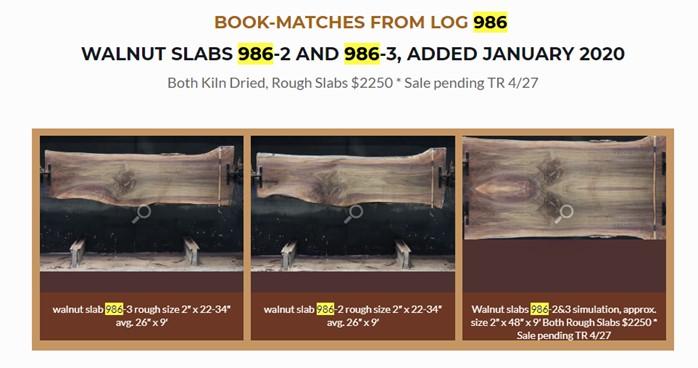
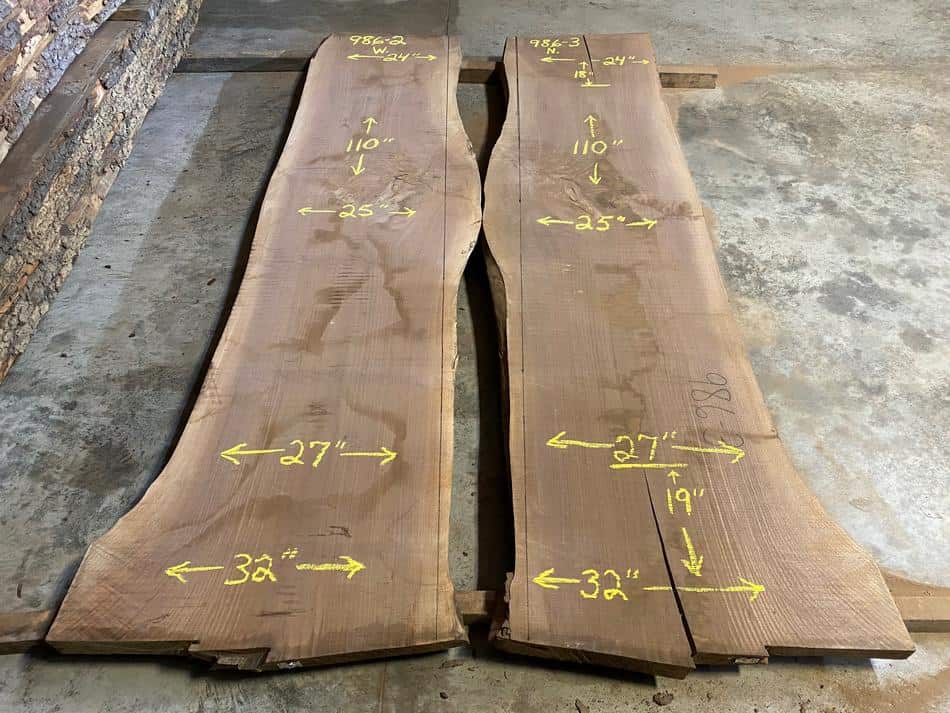

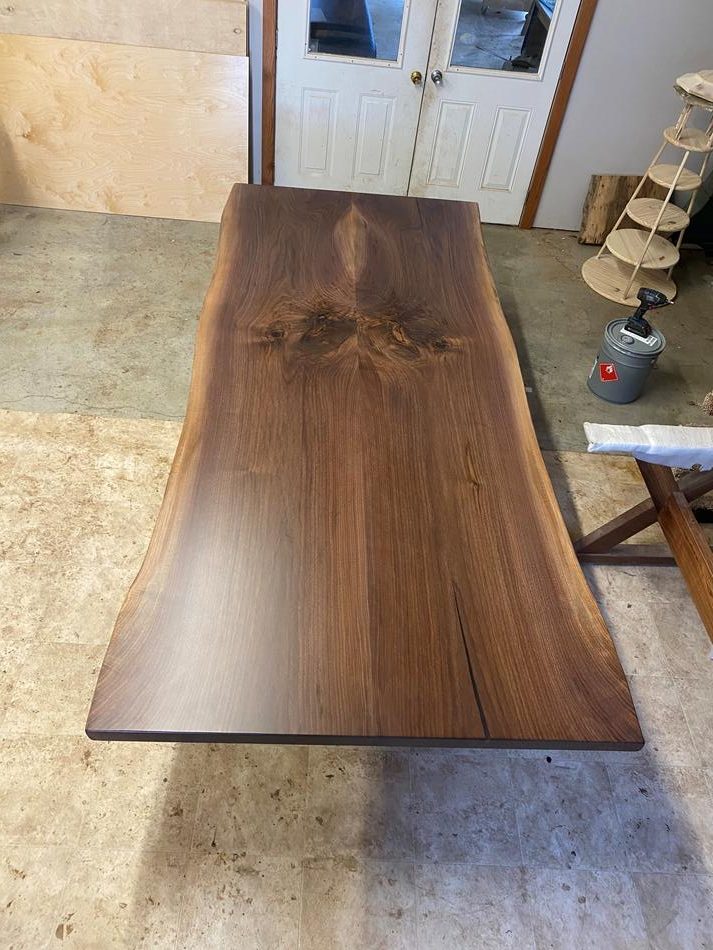
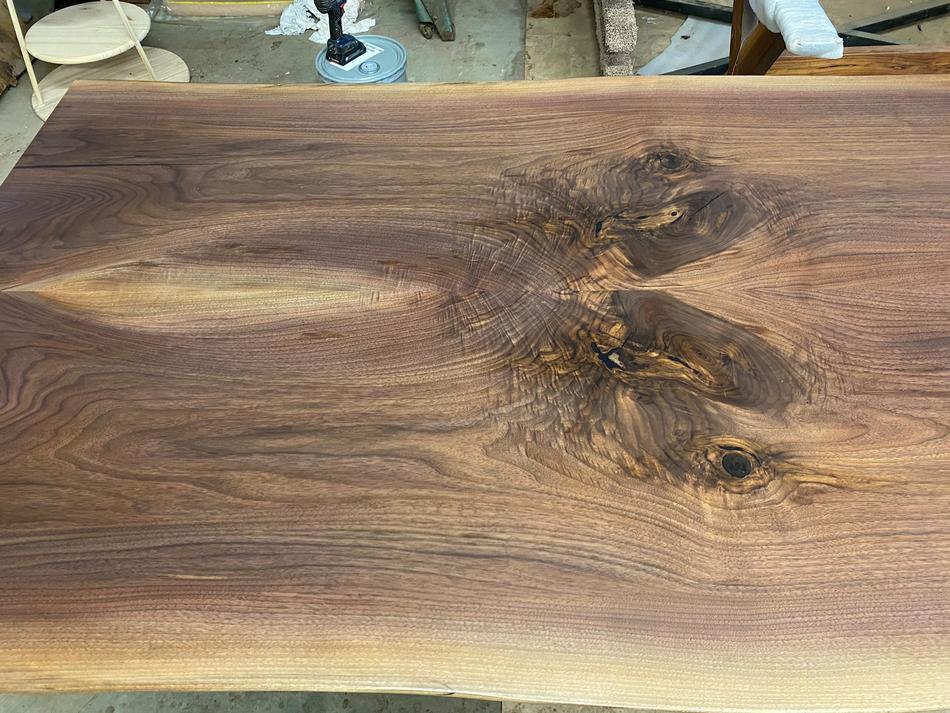
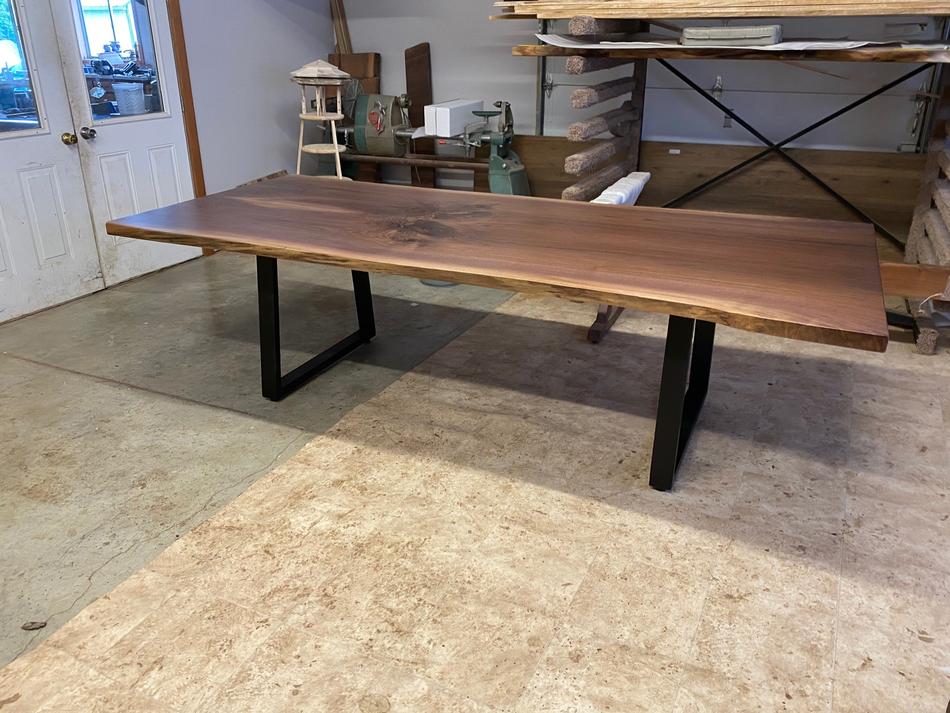

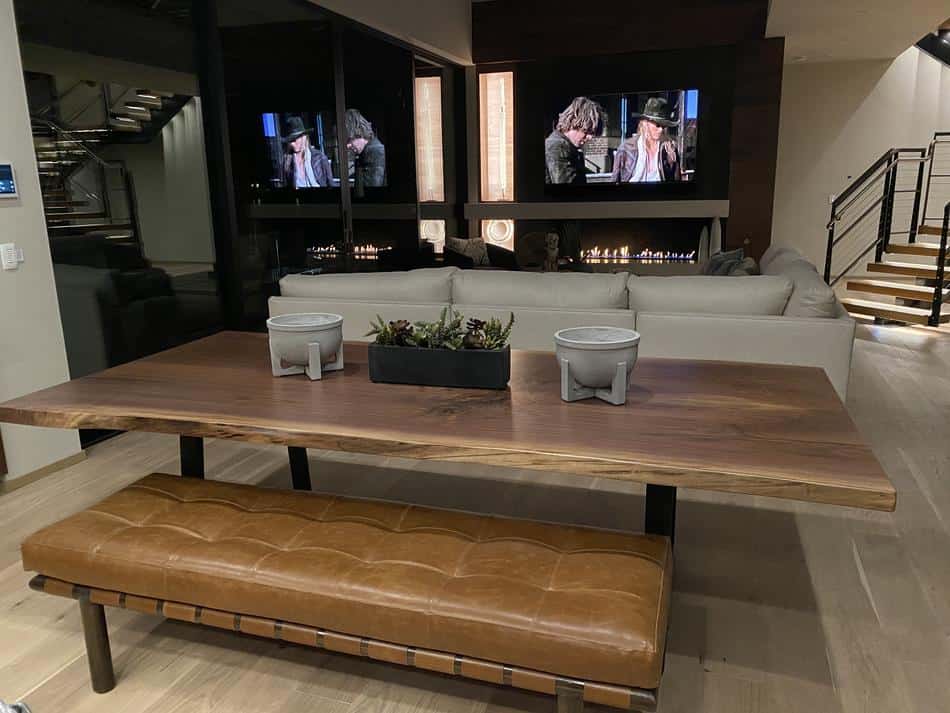
For designers, this level of visibility transforms hardwood from a risk variable into a controlled design element.
Quality Control Beyond the Screen
Digital sourcing only works when it’s backed by a disciplined process.
That’s why all kiln-dried live edge slabs are reinspected prior to shipment to:
- Confirm moisture content & stability
- Identify any movement or checking
- Ensure our proprietary grading and visual expectations are still met
- Verify the exact slab matches the online selection
This final step protects the integrity of the design and eliminates surprises — a non-negotiable for high-end projects.
The Takeaway
In today’s premium market, designers and hardwood buyers aren’t asking for more information — they’re asking for better visibility and greater certainty.
When suppliers provide clear imagery, transparent inventory, and rigorous quality control, buyers no longer need to rely on abstract grade definitions. They can specify hardwood with confidence, knowing the material will perform visually and structurally as intended.
From architectural millwork to one-of-a-kind live edge slabs, the future of hardwood sourcing belongs to those who replace guesswork with clarity — and grades with confidence.