
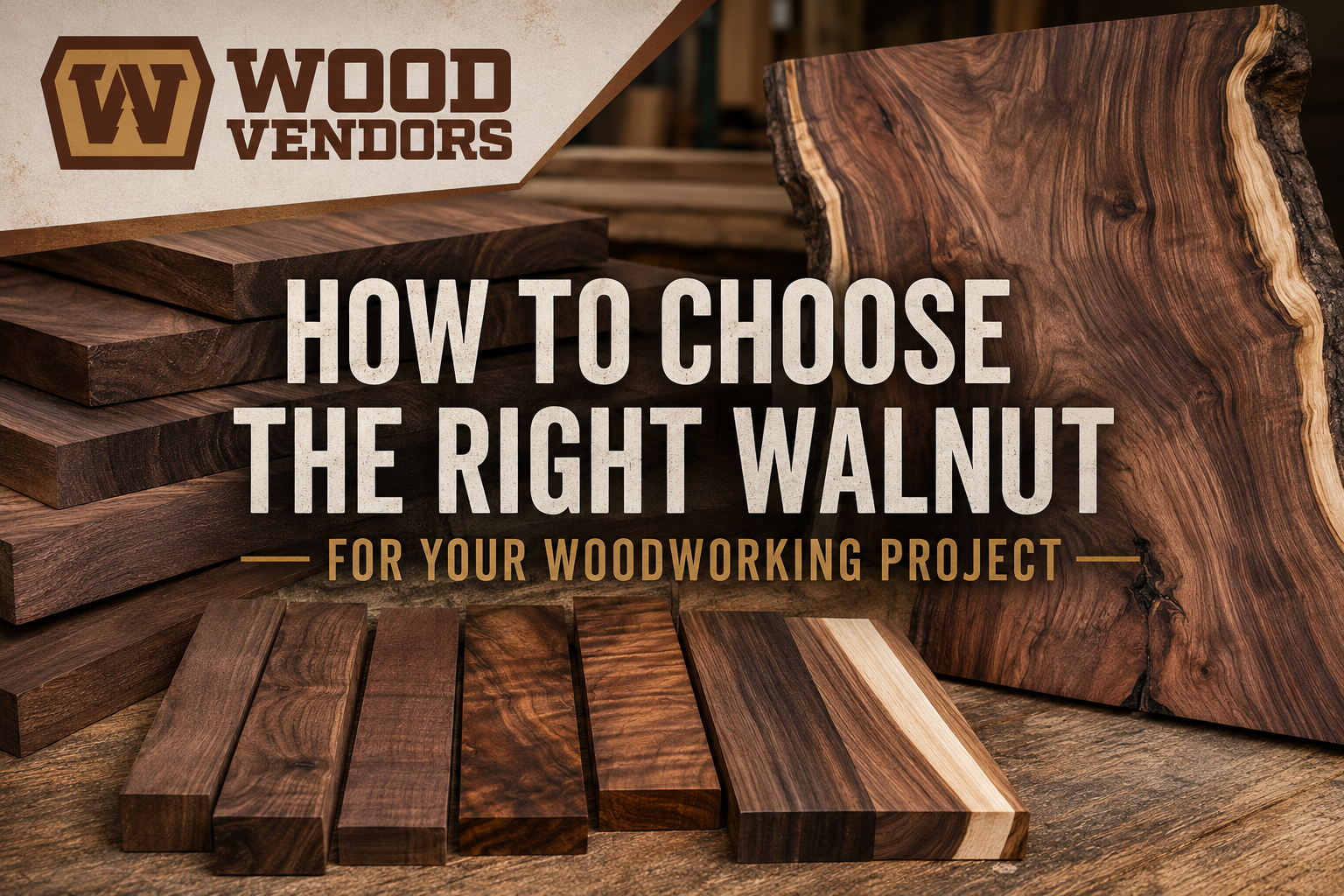
Walk through any hardwood lumber yard, and you’ll quickly realize that not all walnut is the same.
From the rich chocolate tones of Eastern Black Walnut to the dramatic figure of Claro Walnut and the unique character of Oregon-grown walnut, each variety offers something different. The right choice depends on your project, your design style, and the look you’re trying to achieve.
Whether you’re building custom cabinets, crafting a live edge dining table, or selecting lumber for fine furniture, understanding the differences between walnut species can help you make a better investment and achieve better results.
In this guide, we’ll compare the most popular walnut varieties used by woodworkers in the United States, explain the pros and cons of each, discuss steamed versus natural walnut, and recommend which type of walnut is best suited for different woodworking projects.
Quick Comparison: Which Walnut Is Right for You?
If you’re looking for a quick answer, here’s a side-by-side comparison of the most popular walnut species available in the United States.
|
Walnut Species
|
Best For
|
Color
|
Availability
|
|---|---|---|---|
|
Eastern Black Walnut
|
Furniture, cabinetry, hardwood lumber, slabs.
GREAT ALL AROUND!
|
Rich chocolate brown
|
Excellent
|
|
Claro Walnut
|
Live edge slabs, luxury furniture, epoxy tables
|
Brown, gold, red, purple & black
|
Limited
|
|
Bastogne Walnut
|
Premium furniture, tabletops, architectural projects
|
Medium to dark brown with figure
|
Limited
|
|
Oregon Walnut
|
Live edge slabs, mantels, custom furniture
|
Varies by tree and species
|
Moderate
|
Each variety has its own strengths, and choosing the right one depends on the type of project you’re building.
Eastern Black Walnut (Juglans nigra)
When someone refers to “walnut lumber” in the United States, they’re almost always talking about Eastern Black Walnut.
Native to the eastern and central United States, this species has been America’s premier furniture hardwood for more than 150 years. Its rich color, dimensional stability, and excellent machining characteristics have made it the preferred choice for custom furniture makers, cabinet shops, millworkers, and hobbyists alike.
If you’re looking for a walnut that can do just about everything, Eastern Black Walnut is hard to beat. Its combination of beautiful natural color, excellent workability, and wide availability makes it the go-to choice for projects ranging from custom cabinetry and fine furniture to live edge tables and architectural millwork. While other walnut varieties often specialize in dramatic figure or rare character, Eastern Black Walnut offers the best balance of beauty, performance, and value.
Think of it as the all-around MVP of the walnut family. It’s readily available in a wide range of lumber sizes and slab dimensions, making it easier to source than specialty walnuts like Claro or Bastogne. For most woodworkers, furniture builders, and cabinet shops, Eastern Black Walnut provides everything they’re looking for in a premium hardwood without sacrificing versatility.
Appearance
Eastern Black Walnut features deep chocolate brown heartwood, often accented with subtle purple or gray undertones. The sapwood is naturally much lighter, ranging from creamy white to pale yellow, creating a striking contrast.
Its grain is typically straight with a medium texture, although figured boards with curl, crotch grain, or fiddleback patterns are highly prized.
Pros
- Rich, timeless appearance
- Excellent workability
- Stable after drying
- Machines and sands beautifully
- Readily available throughout North America
Cons
- Premium price compared to many domestic hardwoods
- Light sapwood may require careful board selection
- Wide, clear boards can be difficult to source
Best Projects
Eastern Black Walnut is an excellent choice for:
- Hardwood lumber
- Kitchen cabinets
- Furniture
- Dining tables
- Floating shelves
- Architectural millwork
- Turning blanks
- Fireplace mantels
- Gunstocks

BUY: Eastern Black Walnut Slabs from Wood Vendors
BUY: Eastern Black Walnut Lumber from Wood Vendors
Claro Walnut (Juglans hindsii)
If Eastern Black Walnut is known for consistency, Claro Walnut is famous for character.
Native to California and Southern Oregon, Claro Walnut produces some of the most visually stunning hardwood available. Every board tells a different story, with colors ranging from chocolate brown and amber to reds, golds, purples, and nearly black streaks.
Because of its dramatic figure, Claro Walnut has become one of the most desirable woods for custom furniture and live edge slabs.
Pros
- Incredible natural figure
- Wide range of colors
- Perfect for statement furniture
- Exceptional live edge slabs
Cons
- Premium pricing
- Less consistent color
- Limited availability
Best Projects
- Live edge slabs
- River tables
- Conference tables
- Luxury furniture
- Guitar bodies
- Decorative panels
- High-end gunstocks
Bastogne Walnut
Bastogne Walnut is a naturally occurring hybrid between Claro Walnut and English Walnut.
It combines the beautiful figure of Claro with the strength and tighter grain inherited from English Walnut, making it one of the most sought-after walnut varieties among custom furniture builders.
Pros
- Harder than most walnut
- Beautiful figure
- Excellent stability
- Premium appearance
Cons
- Difficult to source
- Higher price
- Limited supply
Best Projects
- Luxury furniture
- Dining tables
- Custom cabinetry
- Architectural millwork
- Premium live edge slabs
Oregon Walnut
Although many people think Oregon Walnut is its own species, it’s actually a regional name used for walnut grown in Oregon. Depending on where it’s harvested, Oregon walnut may be Eastern Black Walnut, Claro Walnut, or naturally occurring hybrids like Bastogne.
Oregon’s climate produces beautiful color, exceptional figure, and large slabs that have become favorites among custom furniture makers.
Pros
- Outstanding figure
- Large live edge slabs
- Beautiful natural character
- Excellent stability
Cons
- Limited availability
- Appearance varies from tree to tree
- Premium pricing
Best Projects
- Live edge dining tables
- Countertops
- Mantels
- Conference tables
- Floating shelves
- Statement furniture
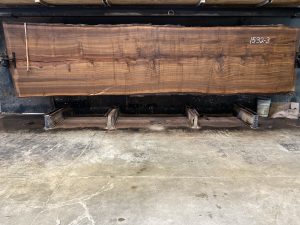
18′ x 55″ Oregon black walnut from Wood Vendors
Steamed vs. Natural Walnut Lumber
One of the most common questions we hear is, “What is steamed walnut?”
Steaming doesn’t change the species—it changes the appearance.
Freshly sawn walnut naturally contains dark heartwood and much lighter sapwood. To reduce this contrast, many sawmills steam walnut before drying. During the steaming process, heat and moisture allow pigments from the heartwood to migrate into the sapwood, creating a more uniform color throughout the board.
Benefits of Steamed Walnut
- More consistent color
- Less visible sapwood
- Easier to match boards for cabinetry
- Popular for production furniture and cabinets
Why Some Woodworkers Prefer Natural Walnut
Many furniture makers and custom woodworkers prefer unsteamed walnut because it preserves the tree’s original beauty.
Natural walnut often displays:
- Richer chocolate brown tones
- Purple highlights
- Greater depth of color
- More contrast between heartwood and sapwood
Neither option is better—they simply appeal to different styles and applications.

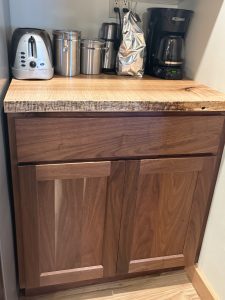
Unsteamed walnut cabinet with curly maple counter top by Wood Vendors
Tom’s pro tip; When evaluating the overall quality and uses of upper grade or FAS Grade Walnut lumber using NHLA (National Hardwood Association ) rules, you need to keep in mind that Walnut has species-specific exceptions when compared to other commonly used hardwoods such as Oaks, Maples, Ash, & Cherry. The biggest difference is walnut allows for much smaller clear cutting compared to these other major species. Walnut can still be called FAS with shorter clear sections which means more knots and defects like wane and end splits. It also allows for narrower and shorter boards.
Which Walnut Should You Choose?
Choosing the right walnut depends on both your project and the look you’re trying to achieve.
|
Project
|
Recommended Walnut
|
|
Hardwood Lumber
|
Eastern Black Walnut
|
|
Kitchen Cabinets
|
Eastern Black Walnut
|
|
Live Edge Slabs
|
Claro Walnut or Eastern Walnut or Oregon
|
|
Dining Tables
|
Eastern Black Walnut or Claro Walnut
|
|
Luxury Furniture
|
Claro, Bastogne Walnut, or Eastern
|
|
Fireplace Mantels
|
Oregon Walnut
|
|
Floating Shelves
|
Eastern Black Walnut
|
|
Conference Tables
|
Claro Walnut, or Eastern walnut
|
|
Turning Projects
|
Eastern Black Walnut
|
|
One-of-a-Kind Statement Pieces
|
Claro Walnut
|
Final Thoughts
Choosing the right walnut comes down to your project, your budget, and the look you’re trying to achieve.
If you’re after consistent color, excellent workability, and timeless beauty, Eastern Black Walnut remains the industry standard. If you’re searching for dramatic figure and one-of-a-kind character, Claro and Oregon walnut offer exceptional beauty. And if you want a rare combination of strength and striking grain, Bastogne Walnut delivers the best of both worlds.
At WoodVendors, we carefully source premium walnut lumber, live edge slabs, and specialty hardwoods for woodworkers, furniture makers, cabinet shops, and DIY enthusiasts across the country. Whether you’re searching for rough walnut lumber, live edge slabs, turning blanks, mantels, or custom hardwood pieces, our goal is simple: provide exceptional hardwoods backed by knowledgeable service.
Browse our selection of walnut lumber and live edge slabs to find the perfect material for your next woodworking project.